

Common name: Crape Jasmine
Other common names: Ceylon Jasmine, Coffee Rose, Crepe Gardenia, Moonbeam, Paper Gardenia, Wax Flower
Description
Crape jasmine is a fragrant flowering shrub originating in Asia, its natural range extending from the Himalayan foothills south to Visakhapatnam, on the Bay of Bengal, and east through Bangladesh and Myanmar (Burma) to southern China.
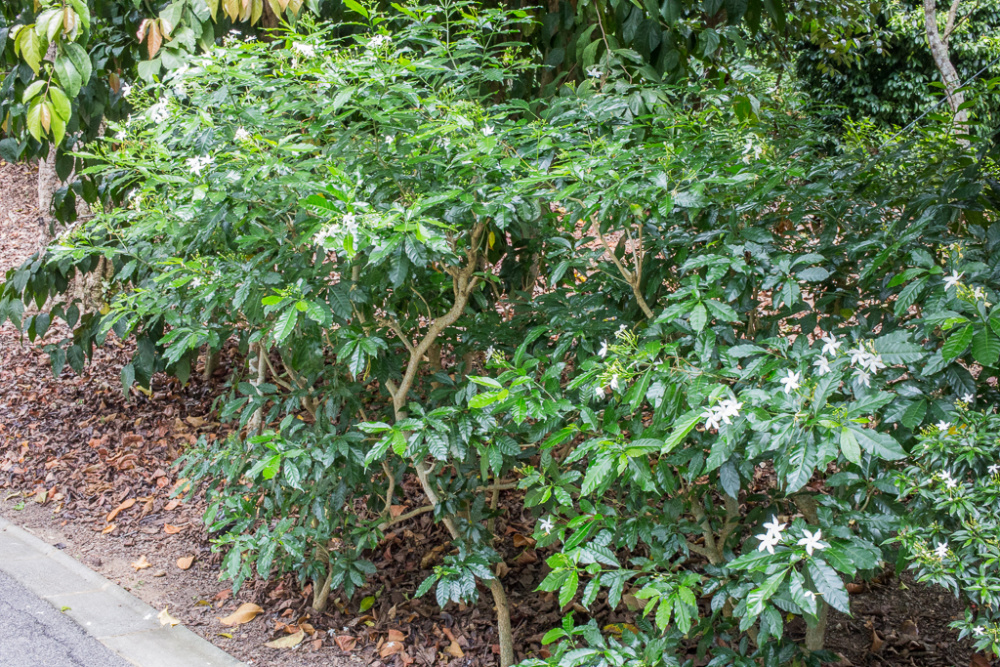
It grows moderately fast and up to 5 m (16 ft) tall in its natural habitat. However, in cultivation, it is typically 1 to 3 m (3 to 10 ft) tall, with branches starting close to the ground and spreading wide to form a densely leafy, dome-shaped crown. The bark is grey, wrinkled, marked by leaf scars and exudes a milky sap when wounded.
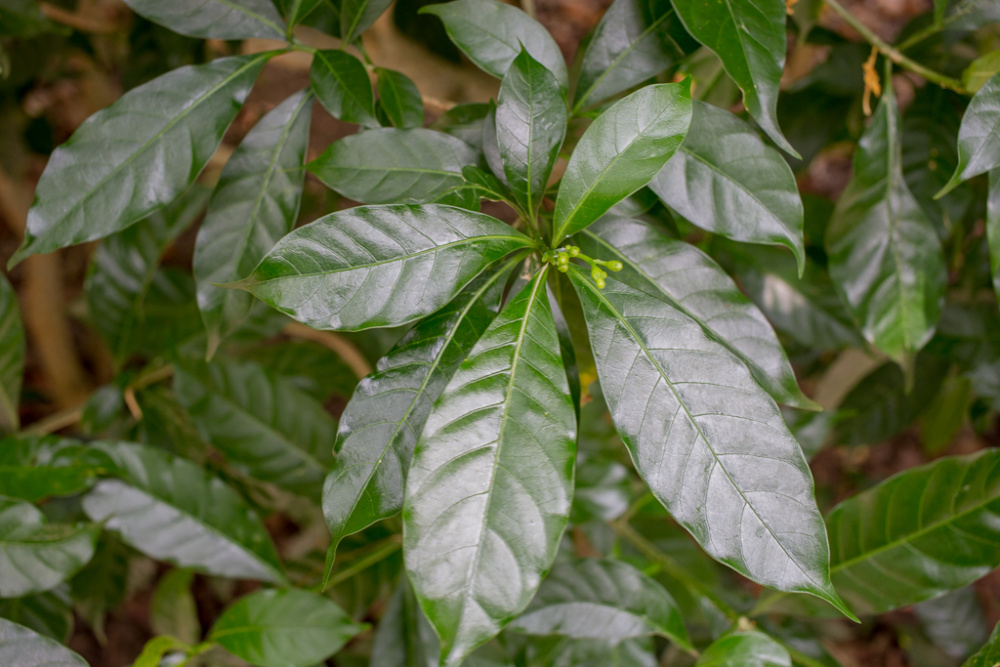
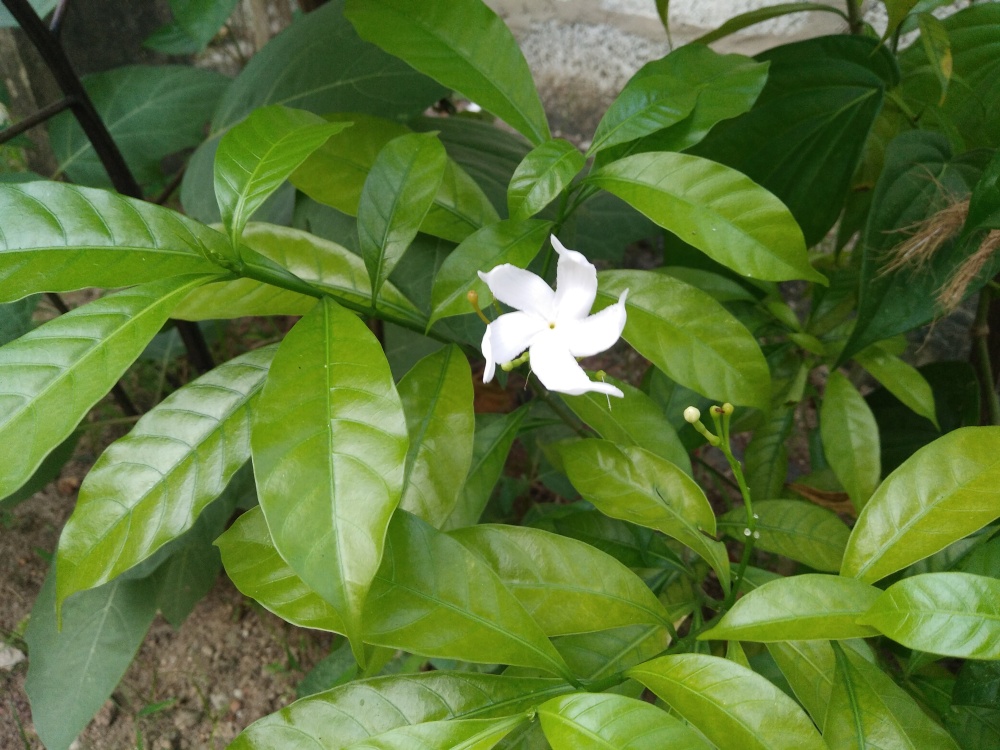
Leaves are oval, 8 to 15 cm (3 to 6 in) long, dark, glossy green, prominently veined, and leathery. They are arranged in pairs along the ends of the branches and remain on the plant in all seasons.
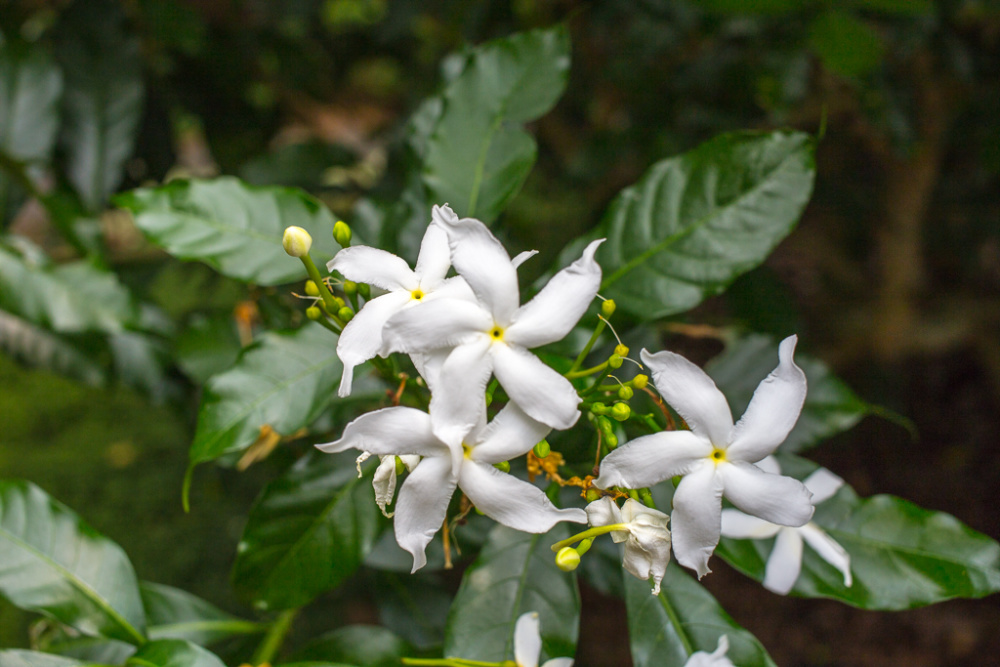
The flowers are small and trumpet-shaped, with five waxy white petals arranged in a pinwheel. They are borne singularly or in small clusters at the tips of the branches and bloom from spring through autumn.
Though sweetly fragrant, their scent is best enjoyed at night, as most of it evaporates in the heat of the day. Their best display is also at night, especially on moonlit nights, as the waxy petals make the flowers appear luminous.
Fruits are rare but, when produced, are curved, ribbed, cylindrical seedpods up to 7 cm (2.8 in) long. These are borne in pairs and have three to six small seeds inside, embedded in fleshy orange or bright red pulp.
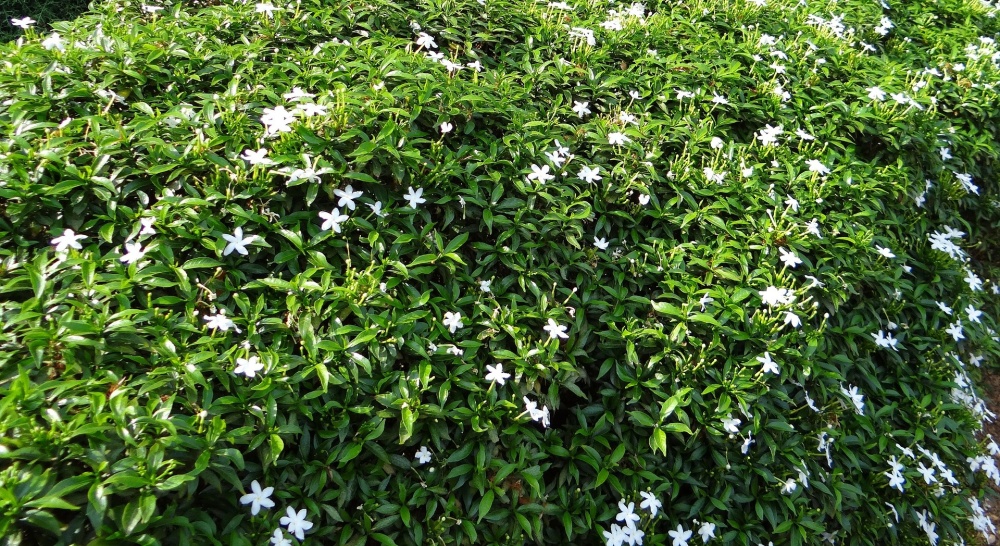
Photo by Bishnu Sarangi from Pixabay
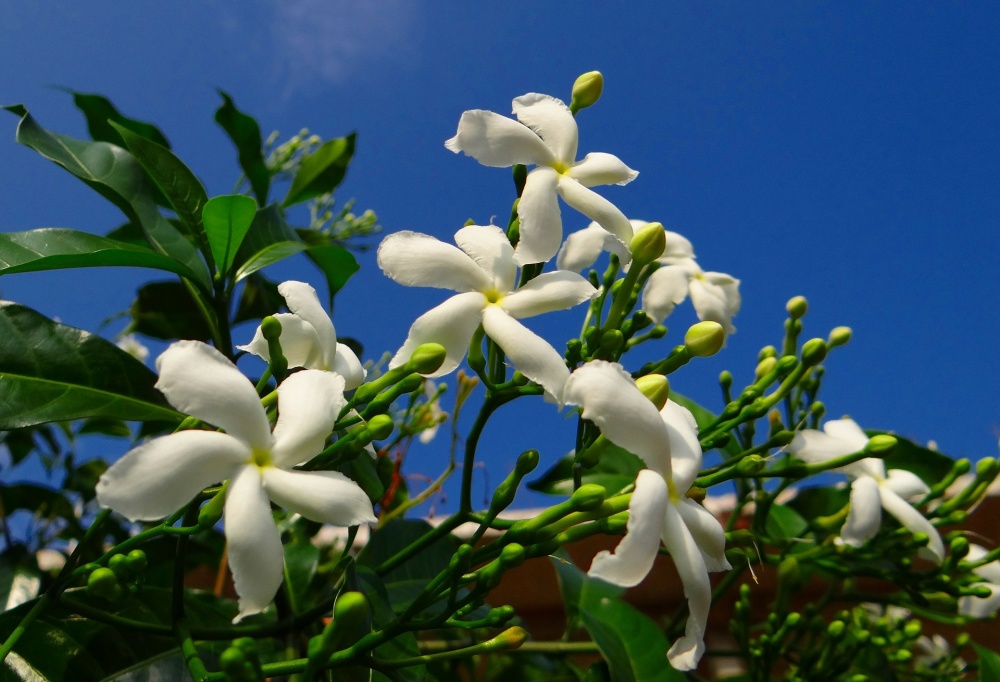
Photo by Bishnu Sarangi from Pixabay
Environmental uses
Fragrant plant - Crape jasmine is valued as a garden plant for its sweetly fragrant flowers.
Flowering ornamental - The flowers are also showy.
Foliage ornamental - And the foliage is an eye-catching glossy green.
Hedge plant - Its dense structure and low-branching habit make it well suited to being grown as a fragrant hedge.
It is considered a sacred plant in India, with the flowers offered as puja in Hindu temples.
Health uses
Natural incense - The aromatic wood is sometimes burnt as an incense substitute in parts of its native range.
Traditional medicine - In traditional Indian or Ayurvedic medicine, the juice from the flower buds is mixed with oil and applied to the skin to treat inflammation, and applied externally to the eyes as a treatment for ophthalmia (eye inflammation).
Climate
Grows naturally in moderately humid subtropical and tropical climates, generally frost-free areas with annual lows of 15 to 25°C, annual highs of 23 to 37°C, annual rainfall of 800 to 2500 mm and a dry season of 7 months or less, extending to 12 months with irrigation.
Growing
New plants are started using cuttings or air-layering (circumposing) methods, as seeds are not always readily available. It performs best on rich, free-draining clay, loam and sand soils of an acid to slightly acid nature, generally with a pH of 4.5 to 6.5. It is a shy bloomer in the shade, with the most abundant blooms on plants in full- to partial-sun conditions.
Problem features
Although recorded as escaping from cultivation in at least one reference publication, it is unlikely to become a serious weed because of its shy fruiting and seeding habit.
The roots are believed to contain poison, but its effects on humans and livestock are not well studied.
Where it grows
References
Books
-
Adams, C. D. 1972, Flowering plants of Jamaica, University of the West Indies, Mona, Greater Kingston
-
Clay, H. et al. 1987, Tropical shrubs, University Press of Hawaii, Honolulu
-
Genders, R. 1978, Scented flora of the world, Robert Hale Publishing, London & St. Martin's Press, New York
-
Krishen, P. 2006, Trees of Delhi : a field guide, Dorling Kindersley Publishers, Delhi
-
Macmillan, H. F. 1943, Tropical planting and gardening : with special reference to Ceylon, 5th ed, Macmillan Publishing, London
-
Oakman, H. 1981, Tropical and subtropical gardening, 2nd ed., Jacaranda Wiley Publications, Milton, Queensland
-
Oakman, H. 1995, Harry Oakman's what flowers when : the complete guide to flowering times in tropical and subtropical gardens, University of Queensland Press, St. Lucia, Queensland
-
Parrotta, J. A. 2001, Healing plants of peninsular India, CABI Publishing, Wallingford, Oxfordshire
-
Perkins, K. D. & Payne, W. 1981, Guide to the poisonous and irritant plants of Florida, Florida Cooperative Extension Service, Gainesville, Florida
-
Randall, R. P. 2002, A global compendium of weeds, R.G. and F.J. Richardson Press, Melbourne
-
Randall, R. P. 2007, The introduced flora of Australia and its weed status, Cooperative Research Centre for Australian Weed Management, Glen Osmond, South Australia
-
The Garden Section of the Woman's Club of Havana 1958, Flowering plants from Cuban gardens : Plantas floridas de los jardines cubanos, Criterion Books, New York