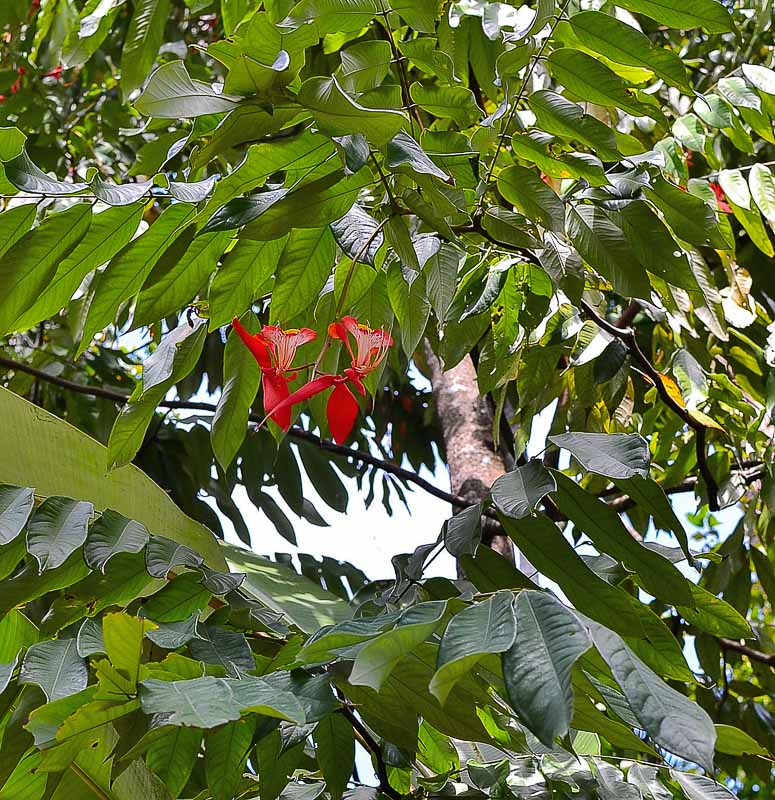


Common name: Pride of Burma
Other common names: Amherstia
Description
Pride of Burma is a spectacular flowering tree originating in Southeast Asia and, as its name suggests, is closely associated with the country of Myanmar (Burma).
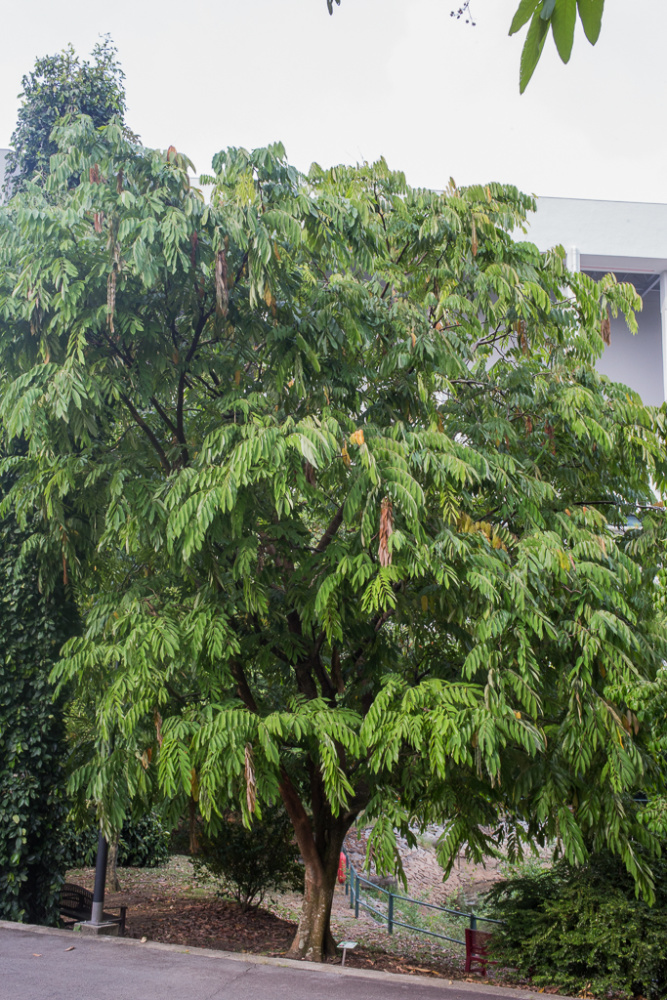
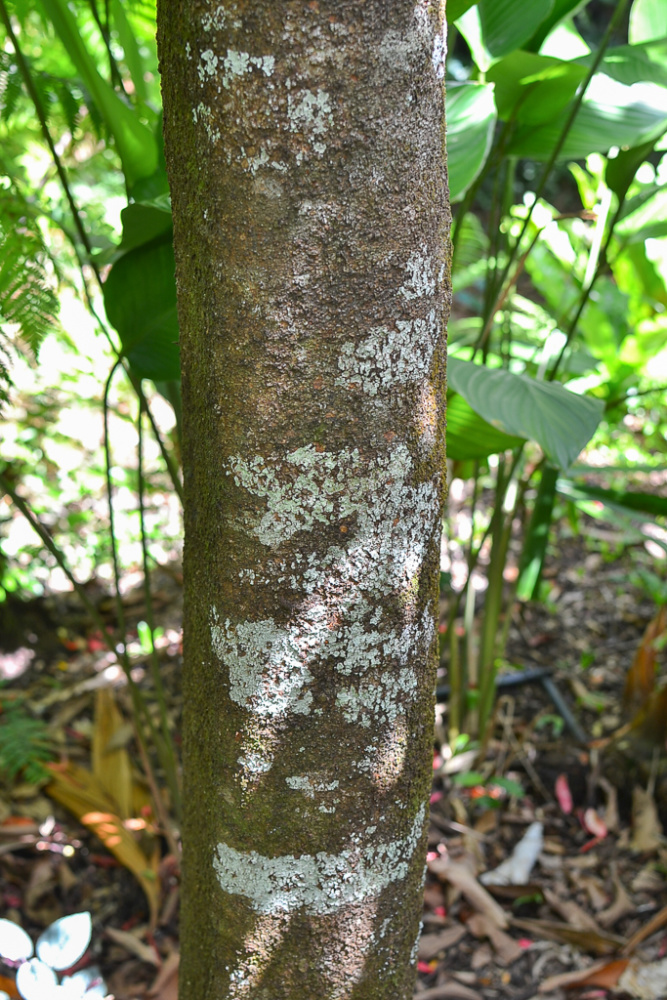
It is a small tree, typically 10 to 15 m (30 to 50 ft) tall in cultivation, but for reasons unknown, it never quite reaches above 5 m (15 ft) in some areas. The trunk is usually straight and slender, supporting a rounded crown of large, gently weeping, feathery leaves up to 1 m (3 ft) long.
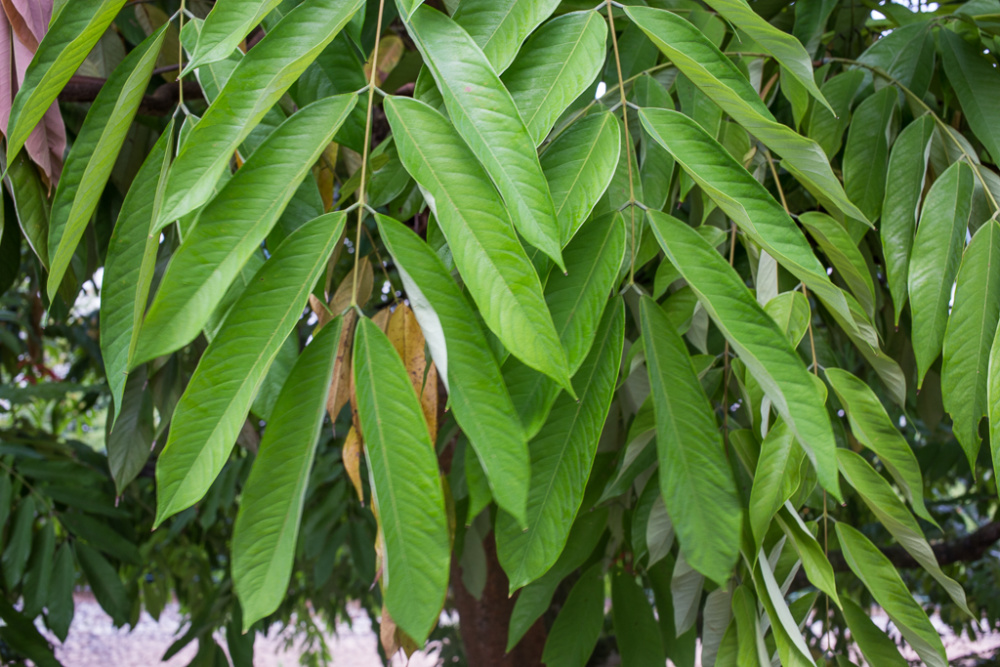
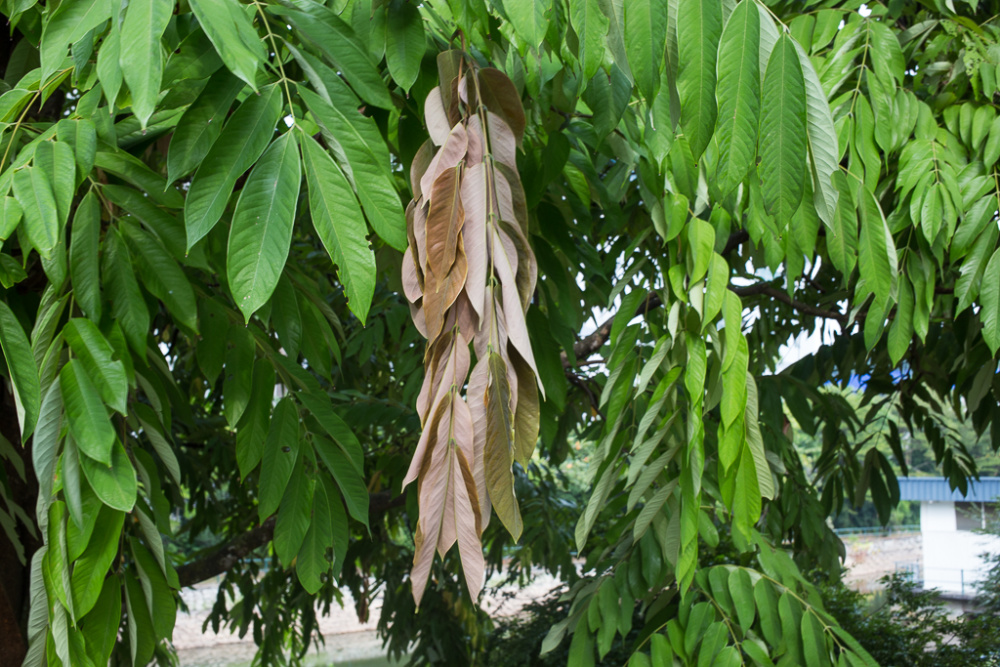
The leaves are made up of glossy green, elongated-oval leaflets arranged in pairs along the length, and, though evergreen, fall in the dry season in seasonally dry areas. The new leaflets emerge at the end of the dry season. First pinkish-bronze, soft and limp, then become green and leathery with age.
Flowering follows flushes of new leaf growth brought on by the transition from the dry to the rainy season but can be encouraged by watering during dry periods. The flowers are large, vivid pink to red and held in clusters that hang pendulum-like on long flowering stems. They create a spectacular display and remione nd of large orchids.
The fruit is a flat seedpod, 10 to 20 cm (4 to 8 in) long, bright red and showy, but is seldom produced by the tree.
Use
Flowering ornamental - Pride of Burma is cultivated as a small flowering tree to add interest and colour to tropical gardens and landscapes.
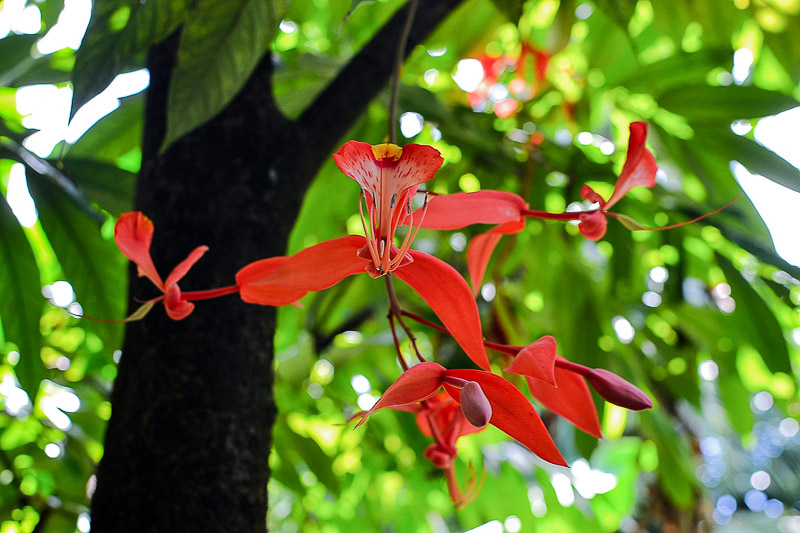
Cairns, Australia
Climate
Grows and flowers naturally in humid tropical climates, generally frost-free areas with annual lows of 19 to 25°C, annual highs of 27 to 35°C, annual rainfall of 1200 to 6000 mm and a dry season of 5 months or less.
Growing
New plants are usually produced using air-layering or circumposing techniques, as seeds are not always available.
Performs best on deep, rich, free-draining clay and loam soils of a slightly acid to neutral nature, generally with a pH of 6.5 to 7.5 and on sites in partial sun.
Problem features
It rarely fruits, and when it does, the pods are usually few and the seeds are often infertile, making it unlikely to become an invasive species. It is assessed as a low weed risk species for Hawaii by the Hawaii Pacific Weed Risk Assessment project (HPWRA).
Where it grows
References
Books
-
Allen, O. N. & Allen, E. K. 1981, The Leguminosae : a source book of characteristics, uses, and nodulation, University of Wisconsin Press, Madison, Wisconsin
-
Barwick, M., et al. 2004, Tropical & subtropical trees : a worldwide encyclopaedic guide, Thames and Hudson, London
-
Holttum, R. E. & Enoch, I. C. 2010, Gardening in the tropics : the definitive guide for gardeners, Marshall Cavendish Editions, Singapore
-
Macmillan, H. F. 1943, Tropical planting and gardening : with special reference to Ceylon, 5th ed, Macmillan Publishing, London
-
Macoboy, Stirling 1982, Trees for flower and fragrance, Lansdowne Press, Sydney
-
National Research Council (Board on Science and Technology for International Development) 1979, Tropical legumes : resources for the future, The National Academies Press, Washington D. C.
-
Redhead, J. F. & Hall, J. B. 1992, Tropical forestry, Longman, London