

Common name: Geraldton Wax
Other common names: Bud Wax, Waxflower
Description
Waxflower is a flowering shrub or small tree originating in Western Australia, its natural range extending along the coastal strip from Perth to Kalbarri, which lies just north of the town of Geraldton. Nowadays, it is cultivated in Australia, California, Arizona, Israel, and South Africa as an ornamental and for its flowering stems, which are used in floral arrangements.
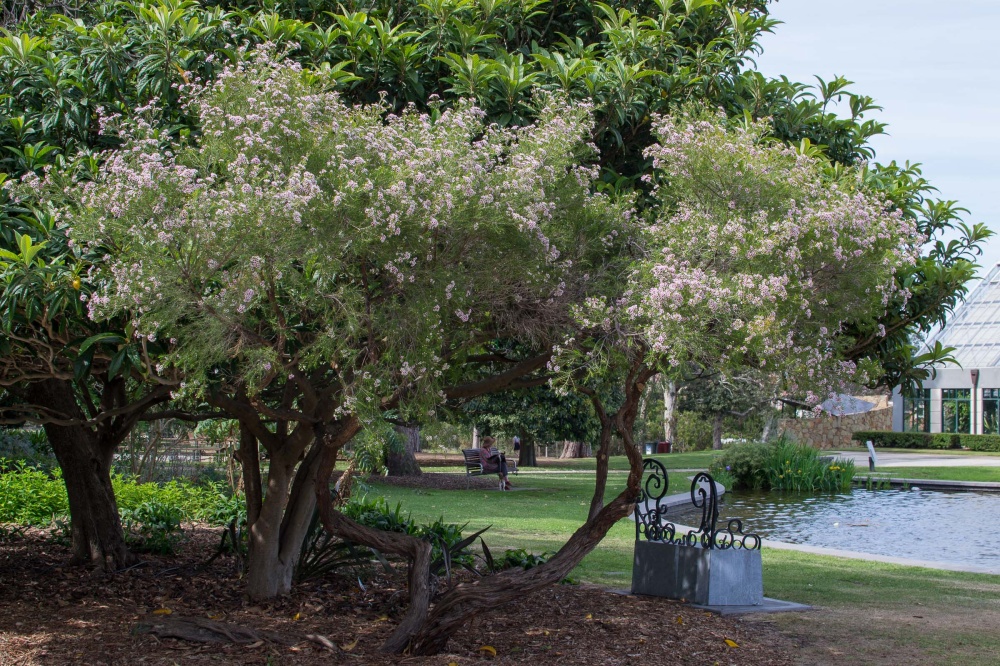
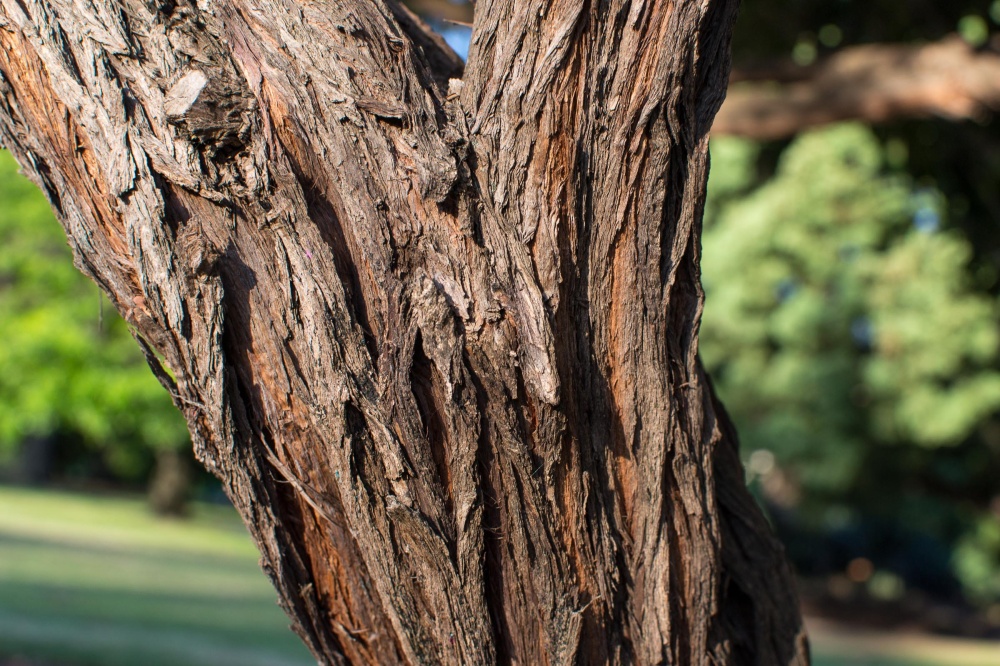
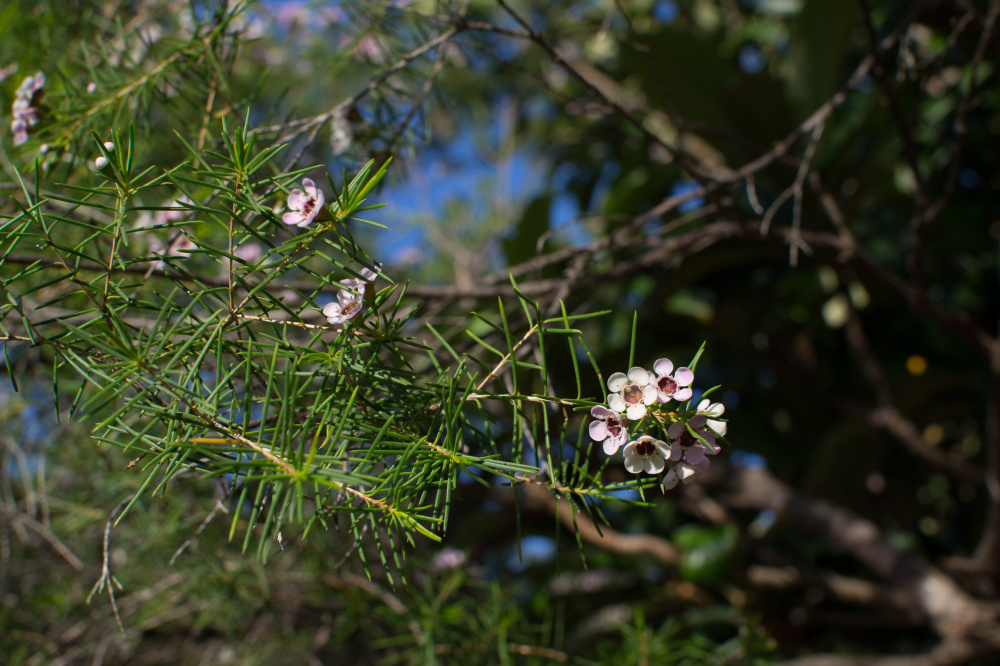
It is typically a shrub to small tree 1 to 3 m (3 to 10 ft) tall with a much-branched, wide-spreading crown, sometimes as wide as the plant is tall. The foliage consists of dark green needle-like leaves arranged on wispy, woody stems. In tree form, the trunk is slender, often leaning, and the bark is grey and fibrous.
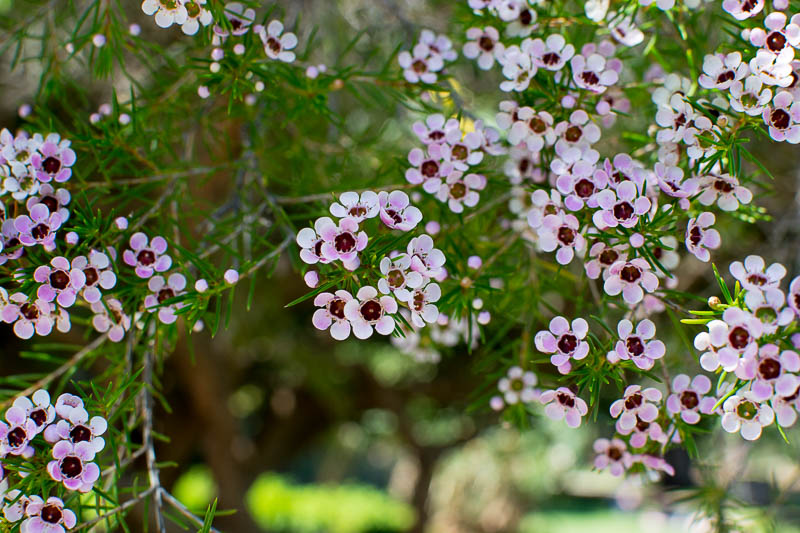
The flowers are small with five waxy petals and, due to selective cross-breeding, come in white, pink and purple varieties. They bloom from winter to spring in showy clusters at the ends of the branches. Small woody seed capsules follow, containing light brown clove-shaped seeds.
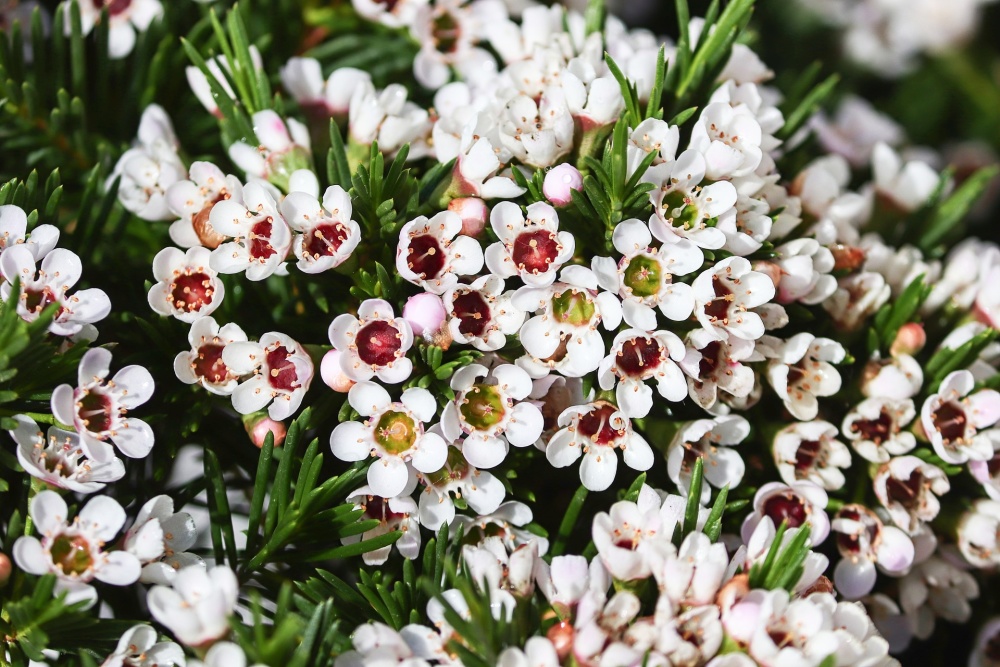
Image by Manfred Richter from Pixabay
Material uses
Cut-flower - Waxflower is one of Australia's leading native cut flowers, both domestically and for export to Europe, the United States, and Japan. The flowering stems are cut from the plant when the flower buds are fully developed but have not yet opened. For shipping, they need to be chilled to a temperature between 1 and 4°C (34 and 39°F).
Floral arrangement - Its flowering stems are commonly used as filler in floral arrangements, mainly as backing for single-stemmed flowers such as roses. On vasing, the leaves that would be submerged need to be stripped from the stems, and the stems should be stood in water without a preservative added. They are long-lasting, with a vase life of seven to ten days.
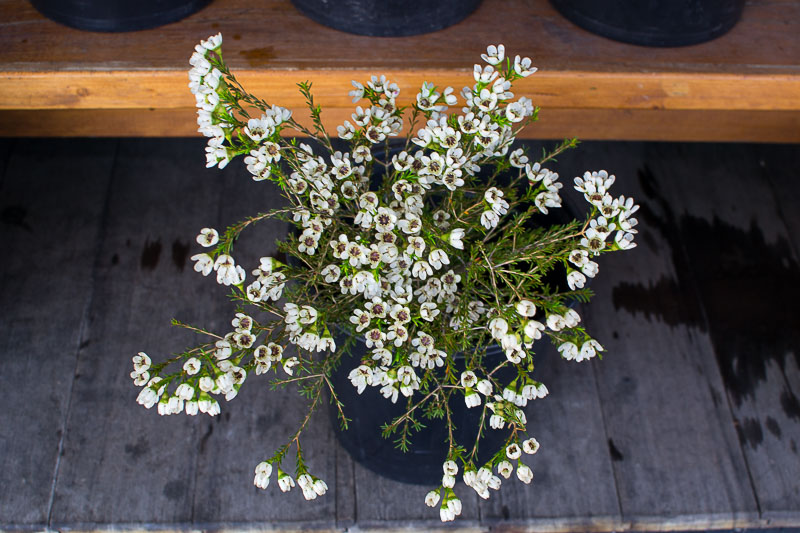
Stems of white waxflowers for sale at the florist (Melbourne, Australia)
Climate
Although naturally adapted to Mediterranean climates with dry summers, Waxflower will grow and flower well in dry-to-moderately humid subtropical climates. These are generally frost-free areas with annual lows of 9 to 17°C, annual highs of 20 to 32°C, annual rainfall of 300 to 1200 mm, and a dry season of 3 to 7 months, which can extend to 12 months with irrigation.
Growing
New plants are usually started from cuttings as the seed has low viability. To propagate from cuttings, select semi-hardwood, side-shoot cuttings about 10-15 cm long. These should be set in a gritty, inert potting mix such as perlite, which provides good aeration and drainage. Treating the cut end with fungicide and a rooting compound helps to improve results. A deep container is needed to allow the long taproot to grow without becoming root-bound.
Waxflower performs best on free-draining loam, sandy loam, loamy sand, and sand soils of a slightly acid to moderately alkaline nature, generally with a pH of 6 to 8, and on sites with full to partial sun exposure. It has poor tolerance for clay or other slow-draining soils, and for strongly acid soils. Over-fertilising before flowering will result in luxurious foliage and few flowers.
Problem features
The seed's low viability lowers the risk of the plant escaping cultivation and becoming a problem weed. The Hawaii Pacific Weed Risk Assessment (HPWRA) project assesses it as a low weed-risk species for Hawaii.
The roots are moderately invasive, and a minimum planting distance of 2 m (6.5 ft) away from any underground pipes or structures is recommended.
Where it grows
References
Books
-
Burke, D. 2005, The complete Burke's backyard : the ultimate book of fact sheets, Murdoch Books, New South Wales, Australia
-
Hunter, N. T & Mitchell, H. 1994, The art of floral design, Delmar Publishers, Albany, New York
-
Jex-Blake, A. J. 1957, Gardening in East Africa : a practical handbook, 4th ed., Royal Kenya Horticultural Society, Longmans, Green and Company, London
-
Jones, R. 2001, Caring for cut flowers, 2nd ed, Landlinks Press, Victoria, Australia
-
Mathias, M. E., 1982, Flowering plants in the landscape, University of California Press, Berkeley
-
Oakman, H. 1995, Harry Oakman's what flowers when : the complete guide to flowering times in tropical and subtropical gardens, University of Queensland Press, St. Lucia, Queensland
-
Perry, F. & Hay, R. 1982, A field guide to tropical and subtropical plants, Van Nostrand Reinhold Company, New York
-
Randall, R. P. 2007, The introduced flora of Australia and its weed status, Cooperative Research Centre for Australian Weed Management, Glen Osmond, South Australia
Articles, Journals, Reports and Working Papers
-
Gollnow, B. 2013, Getting Started in Wildflower Growing : How to grow native Australian and South African species for the cut flower market, Rural Industries Research and Development Corporation (RIRDC), Canberra, Australian Capital Territory