



Description
Pomegranate is an ancient, widely cultivated fruiting shrub or small tree originating in Asia, with a natural range extending from western Asia to the Western Himalayas of Pakistan and India.
It may grow into a small tree up to 10 m (30 ft) tall, though it is more commonly a shrub between 2 and 4 m (6 and 12 ft) with multiple stems forming a V-shape, the canopy wide-spreading and irregularly shaped.
The leaves are small and oval, with a blunt tip, and semi-evergreen to deciduous, shedding during the dry season to conserve water.
The flowers are large, commonly orange-red, though white and yellow varieties are seen occasionally. They come into bloom in the rainy season but may bloom earlier in regularly watered gardens, or on and off throughout the year.
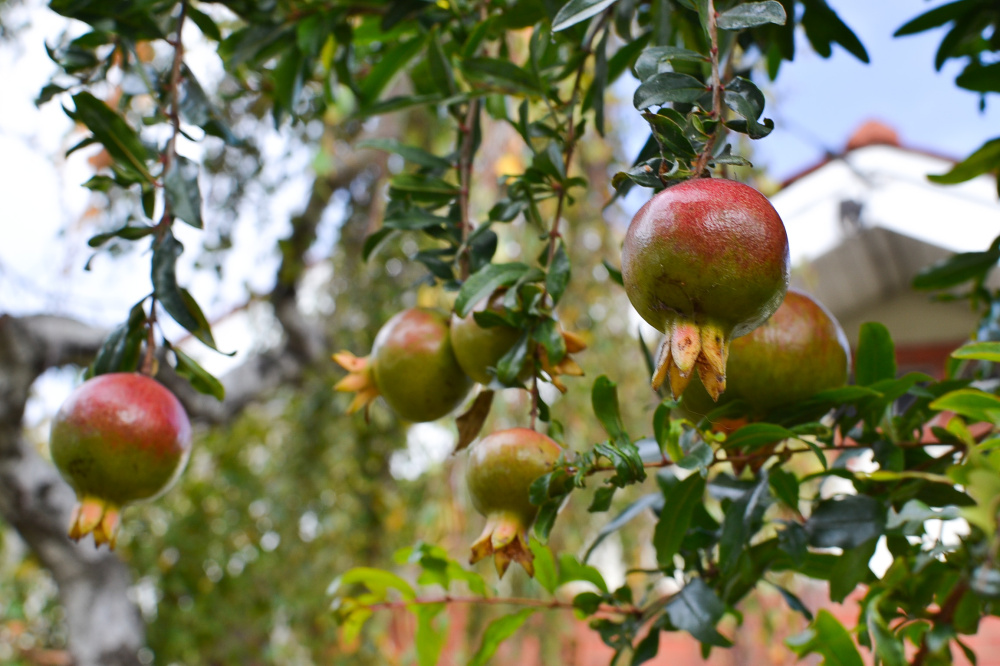
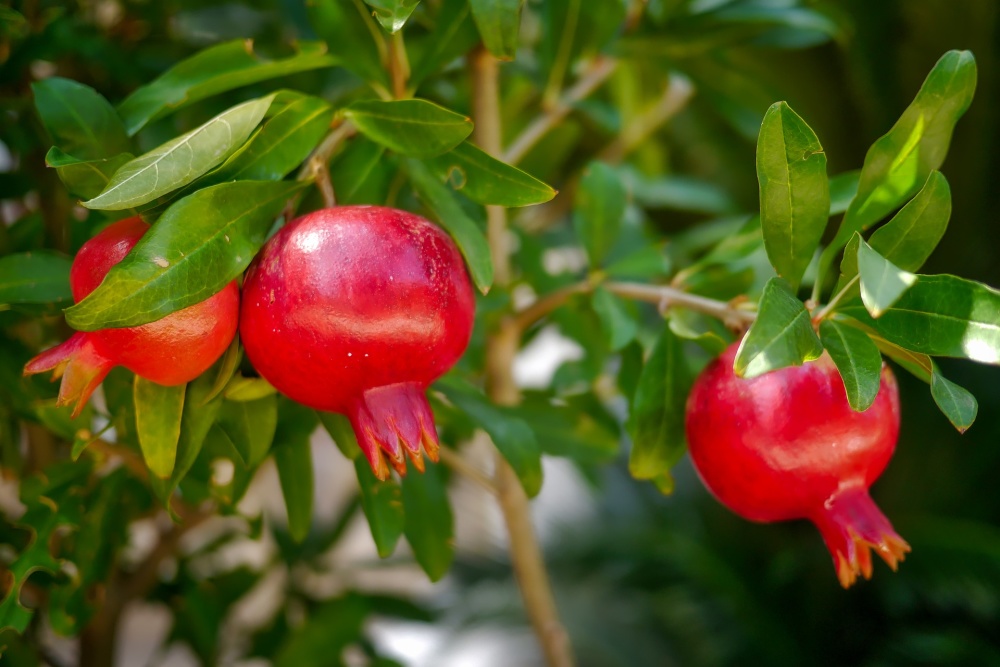
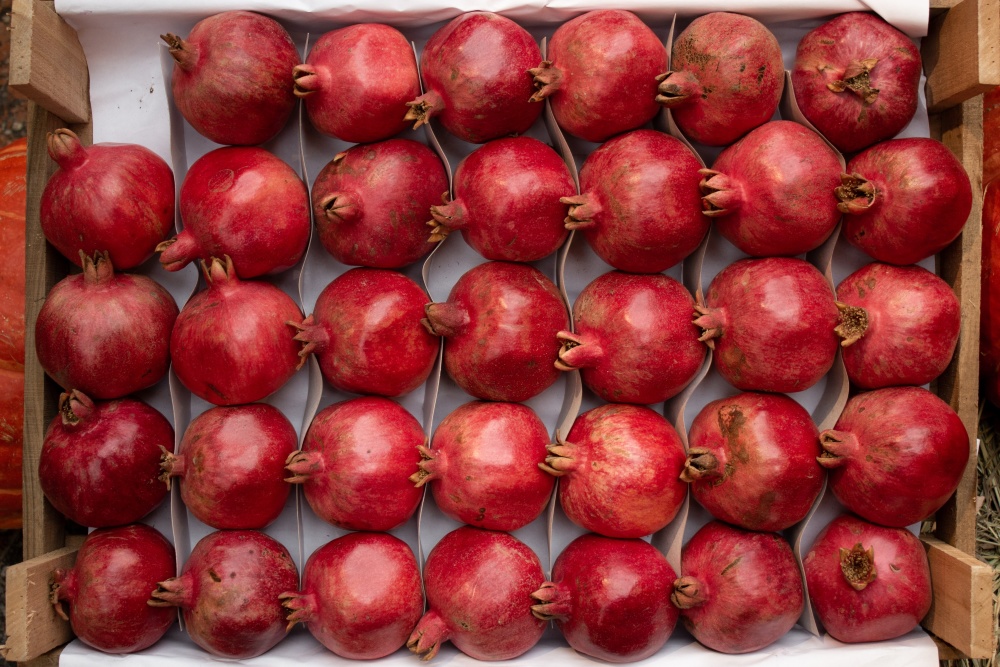
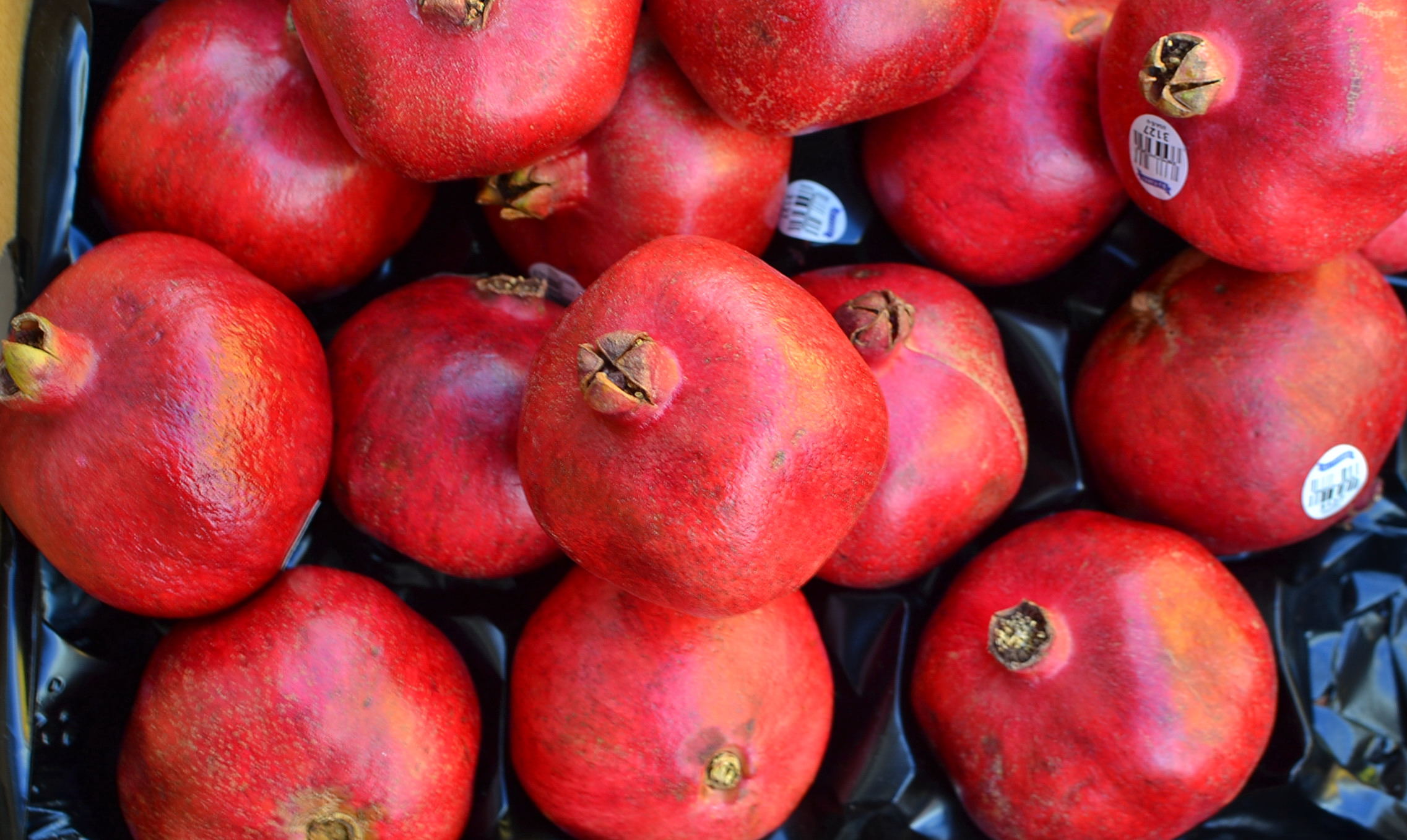
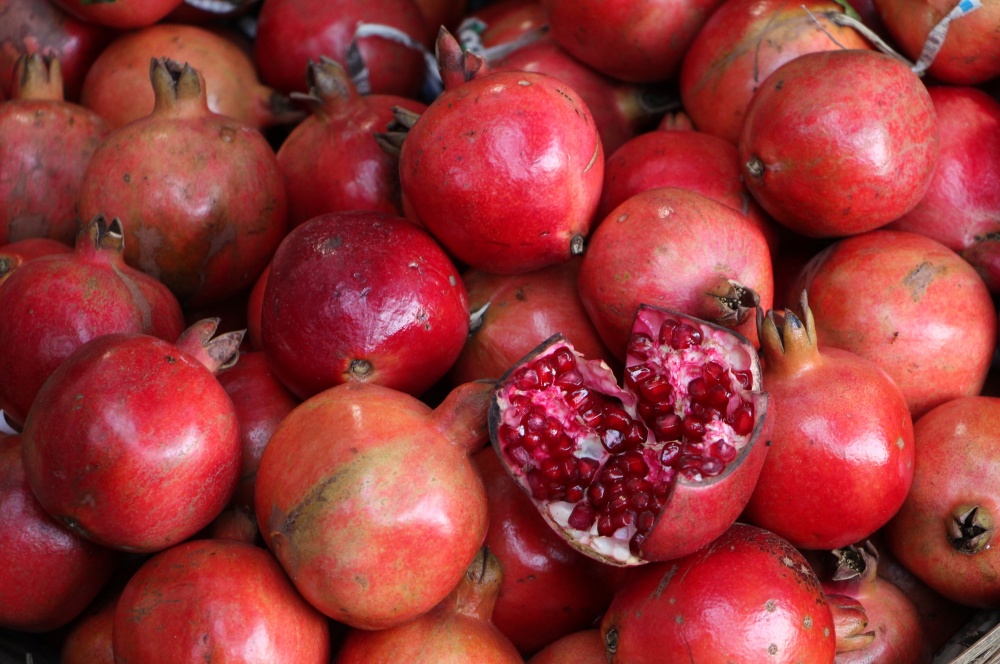
The fruit is near round with a prominent nipple and ranges in size from an orange to a large grapefruit, with the smaller sizes more common in tropical areas. The rind is tough, leathery and bright red to orange-yellow when ripe, depending on the variety and climate. When sliced through, it reveals numerous, tightly packed seeds, each covered by a juicy sac.
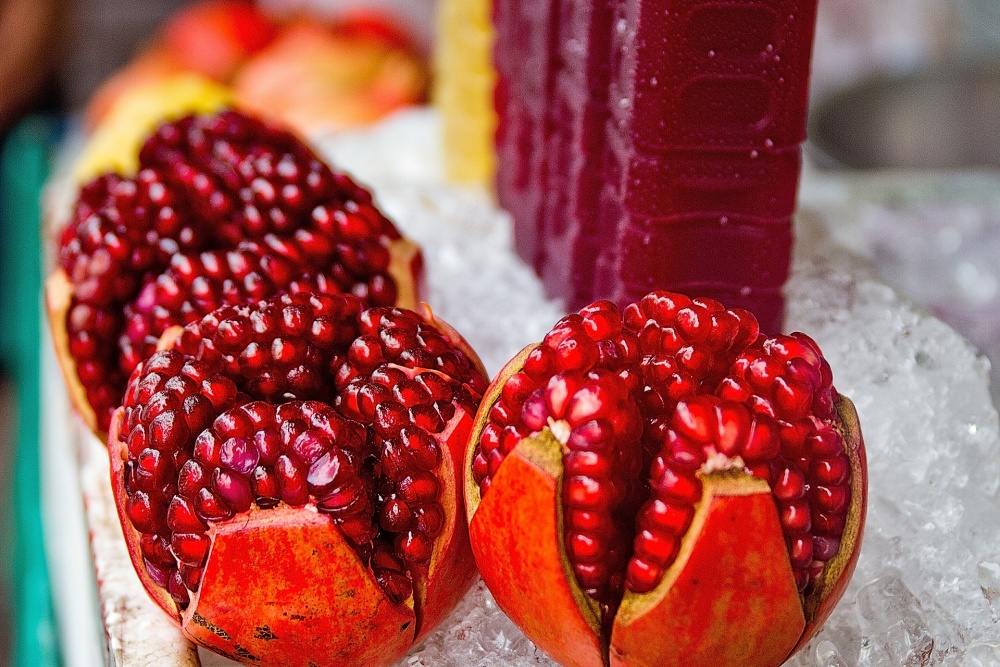
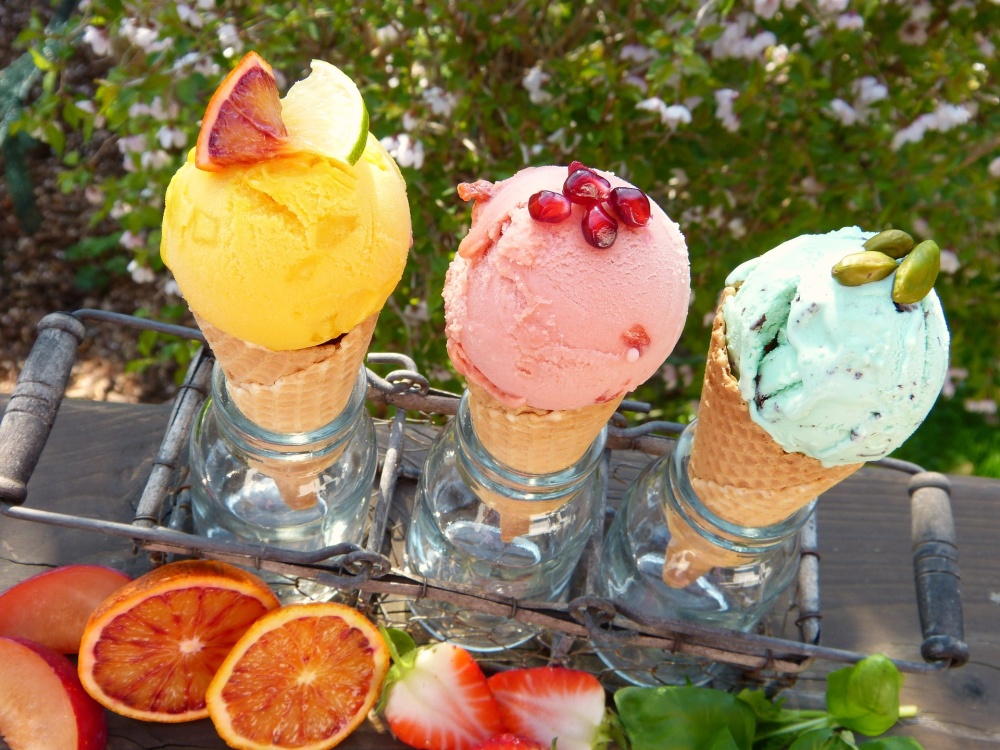
Image by Poswiecie from Pixabay
Edible uses
The juice surrounding the seed is a brilliant red, with a pleasingly sweet-sour to slightly astringent taste.
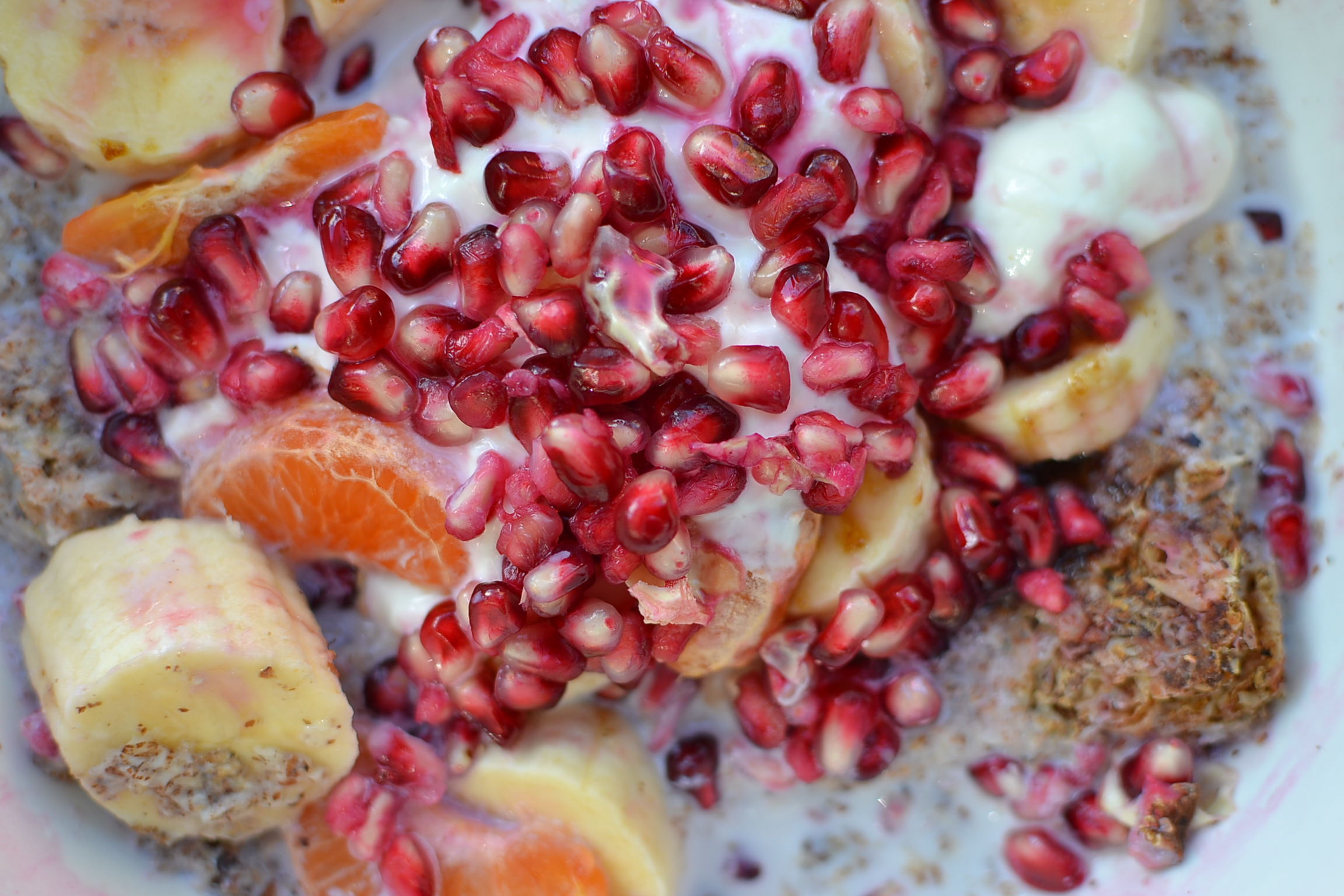
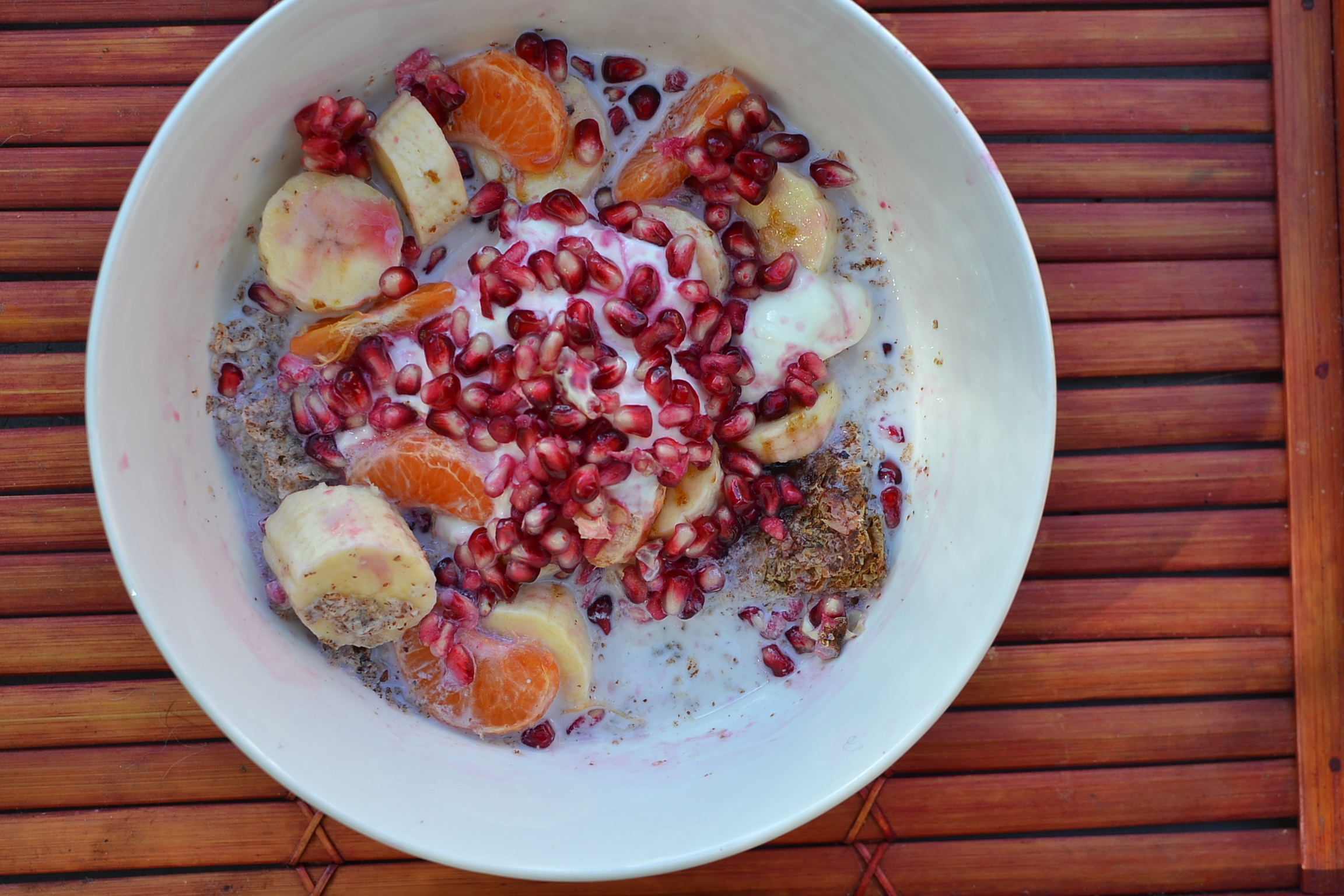
Fresh fruit - People eat the whole seeds fresh out of hand and use them to garnish various dishes.
Juice - The seeds are also made into juice, which is normally served chilled.
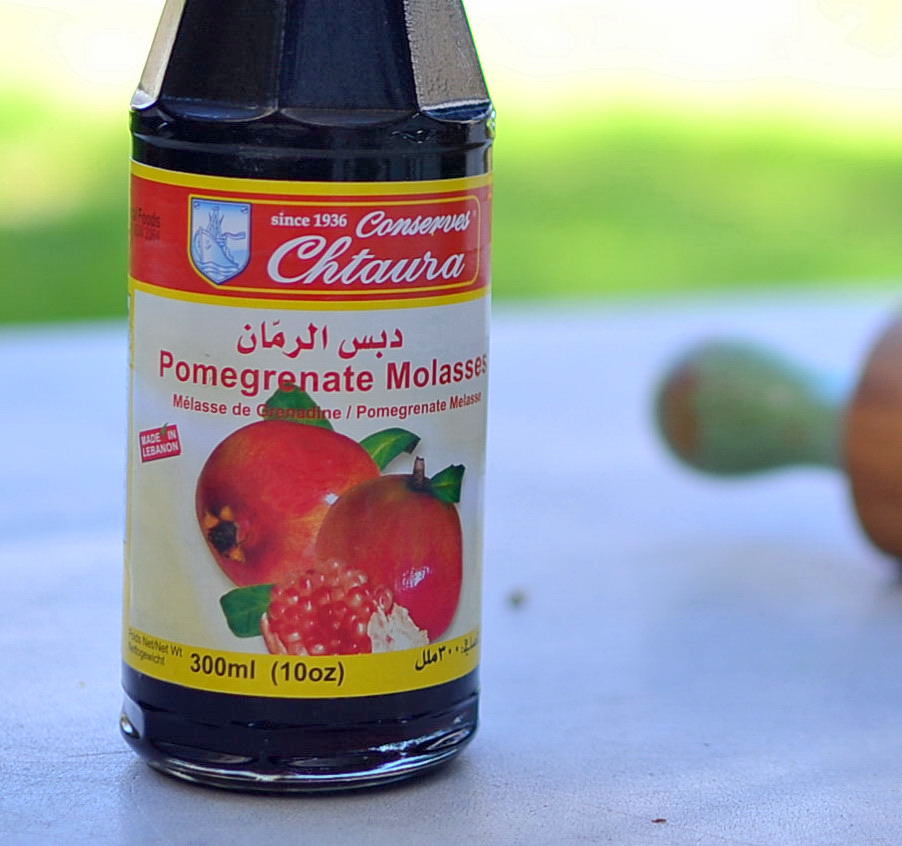
Syrup or cordial - Or the juice is reduced to a syrup, of which there are two main types: 'Grenadine syrup' and 'Pomegranate molasses'. Grenadine syrup is a widely known beverage flavouring used in a variety of mixed alcoholic and non-alcoholic drinks, while Pomegranate molasses is mainly used as a garnish, though it also adds colour and flavour to both sweet and savoury dishes.
Material uses
Drying oil - The seed contains about 7% drying oil that hardens into a tough, solid film when exposed to air. Drying oils like this are mostly used in oil paints, varnishes, and printing inks, giving these products their drying and hardening qualities when applied to surfaces such as walls, furniture, and paper. Some of the best-known and most widely used drying oils are Safflower oil (from Carthamus tinctorius) and Tung oil (from Vernicia fordii)
Natural dye - The fruit rind has long been used to produce a natural dye that gives green, yellow, and brown shades. Because of its high tannic acid content, it requires no mordant for colourfastness.
To make the dye liquid, the rind is cut from the ripe fruit (fresh or dried), crushed, and simmered in water for about an hour, then strained; the fibres are added and simmered for about thirty minutes more. After simmering, the fibres are left to soak in the dye bath overnight or longer. Turmeric is sometimes added during the initial simmer to brighten colours that may lack brilliance.
Natural ink - A writing ink is also produced by combining tannic acid - extracted from the bark or fruit rind - with iron sulphate.
Environmental uses
Hedge plant - Pomegranate can be grown as a hedge.
Shade or privacy screen - Also works well as a privacy screen.
Seaside garden plant - Suits seaside gardens, tolerating salt, limestone, and alkaline conditions.
Barrier plant - Some varieties have sharp spines on the branches, making them useful as a barrier plant, though most newer varieties have been bred to be thornless.
Container plant - Sometimes planted in large patio containers.
Bonsai plant - Also a reasonably good candidate for Bonsai culture.
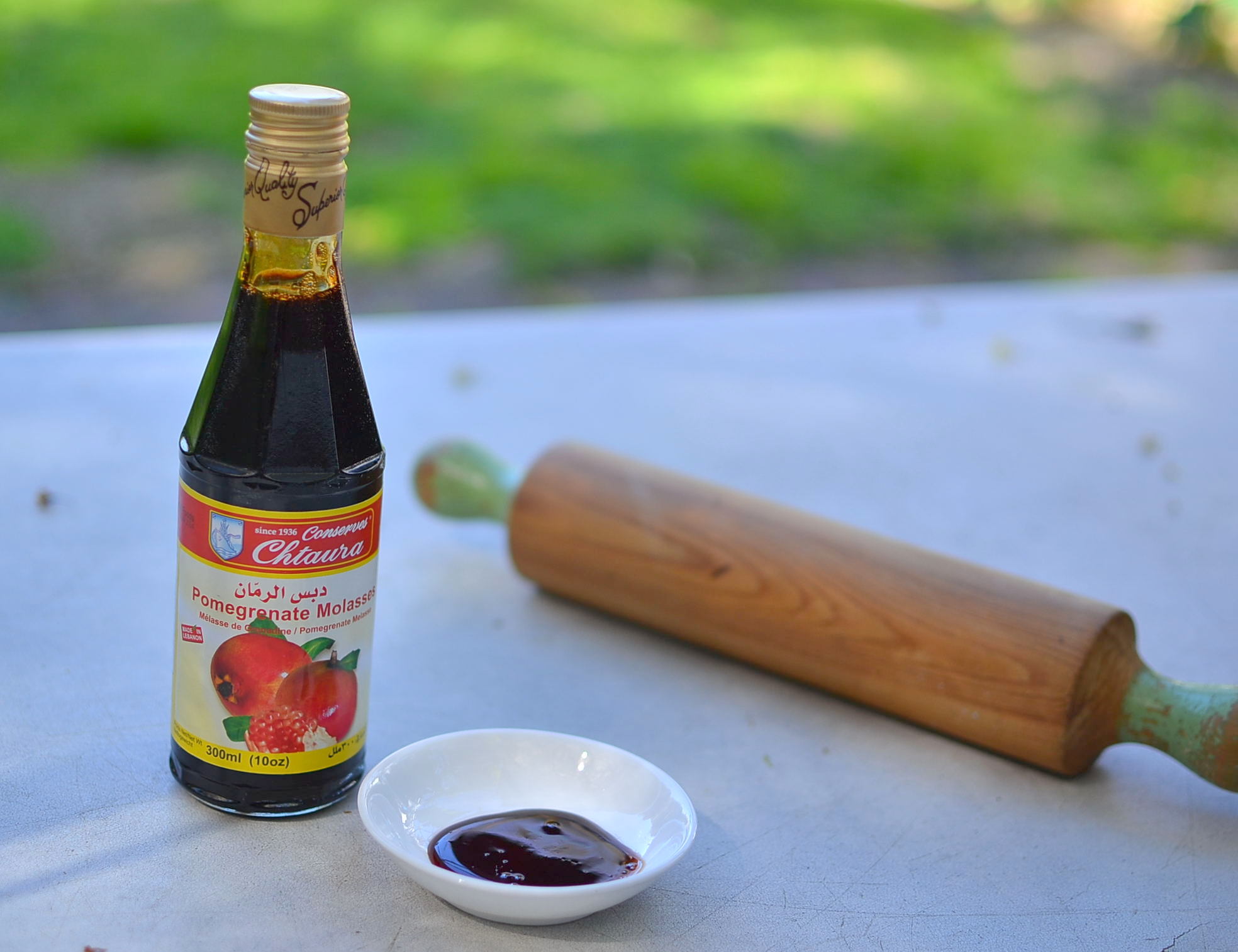
Pomegranate molasses
Health uses
The seed and juice are packed with antioxidants, and evidence supports consuming them as a tonic to support healthy blood pressure.
Natural liver tonic - Evidence also supports the seed and juice as a tonic for liver health.
Natural prostate tonic - As well as prostate health.
Climate
Although naturally adapted to warm-temperate and Mediterranean climates, the plant grows well and produces fair to good quality fruit in sub-humid to humid subtropical and tropical climates, generally areas with annual lows of 10 to 25°C, annual highs of 20 to 35°C, annual rainfall of 700 to 4000 mm and a dry season of 3 to 7 months, extending to 12 months with irrigation.
Growing
New plants are easily started from seed, but common practice is to use cuttings or air-layering (circumposing) to produce plants with predictable, desirable characteristics, such as good yields of high-quality fruit. Suckering, though common, is another potential source of suitable planting material.
It performs best on free-draining loam, sand and limestone soils of a slightly acid to alkaline nature, generally with a pH of 6.0 to 8.5 and on sites with full to partial sun exposure.
Varieties reported to do well in tropical climates include 'Vietnamese Red', 'Francis', 'Wonderful' and 'Ben Hur' (which produces very large fruit). The fruit will not continue to ripen after harvesting and should therefore only be harvested when fully ripe.
Problem features
Birds are known to eat and disperse the seed outside of cultivation, but there do not appear to be any records of it being a serious weed anywhere, despite its widespread cultivation worldwide. The Hawaii Pacific Weed Risk Assessment (HPWRA) project assesses it as a low weed-risk species for Hawaii.
Where it grows
References
Books
-
Adams, C. D. 1972, Flowering plants of Jamaica, University of the West Indies, Mona, Greater Kingston
-
Barwick, M., et al. 2004, Tropical & subtropical trees : a worldwide encyclopaedic guide, Thames and Hudson, London
-
Chevallier, A. 2000, Encyclopedia of herbal medicine, 2nd American ed., Dorling Kindersley, New York
-
Clay, H. et al. 1987, Tropical shrubs, University Press of Hawaii, Honolulu
-
Crane, E., Walker, P. & Day, R. 1984, Directory of important world honey sources, International Bee Research Association, London, United Kingdom
-
Dean, J. 2010, Wild Color : the complete guide to making and using natural dyes (Revised and updated edition), Watson-Guptill Publishing, New York
-
Editors of Sunset Magazine 2012, The New Western Garden Book: The Ultimate Gardening Guide, 9th edition, Sunset Publishing Corporation, California
-
Fawcett, W. 1891, Economic plants, An index to economic products of the vegetable kingdom in Jamaica, Jamaica Government Printing Establishment, Kingston
-
Food and Agriculture Organization of the United Nations (FAO) 1988, Traditional food plants : a resource book for promoting the exploitation and consumption of food plants in arid, semi-arid and sub-humid lands of eastern Africa, Food and Nutrition Paper No. 42, Rome
-
Food and Agriculture Organization of the United Nations (FAO), 1982, Fruit-bearing forest trees : technical notes, FAO, Rome
-
Jamieson, G. S. 1943, Vegetable fats and oils : their chemistry, production, and utilization for edible, medicinal and technical purposes, 2d ed, Reinhold, New York
-
Jensen, M. 1999, Trees commonly cultivated in Southeast Asia : an illustrated field guide, 2nd ed., Food and Agricultural Organisation of the United Nations (FAO) Regional Office for Asia and the Pacific (RAP), Bangkok
-
Kennard, W. C. & Winters, H. F. 1960, Some fruits and nuts for the tropics, Miscellaneous Publication No. 801, U.S. Department of Agriculture, Federal Experimental Station, Mayaguez, Puerto Rico
-
Krishen, P. 2006, Trees of Delhi : a field guide, Dorling Kindersley Publishers, Delhi
-
Love, K. & Bowen, R. & Fleming, K. 2008, Twelve Fruits with Potential Value Added and Culinary Uses, University of Hawaii Press, Hawaii
-
Macmillan, H. F. 1943, Tropical planting and gardening : with special reference to Ceylon, 5th ed, Macmillan Publishing, London
-
Mollison, B. 1993, The permaculture book of ferment and human nutrition, Tagari Publications, Tyalgum, New South Wales
-
Morton, J. F. & Dowling, C. F. 1987, Fruits of warm climates, Creative Resources Systems, Winterville, North Carolina
-
Nguyen, V. D. & Doan, T. N. 1989, Medicinal plants in Vietnam, World Health Organization (WHO), Regional Office for the Western Pacific, Manila, Institute of Materia Medica, Hanoi
-
Oakman, H. 1995, Harry Oakman's what flowers when : the complete guide to flowering times in tropical and subtropical gardens, University of Queensland Press, St. Lucia, Queensland
-
Parrotta, J. A. 2001, Healing plants of peninsular India, CABI Publishing, Wallingford, Oxfordshire
-
Perry, B. 2010, Landscape plants for California gardens: an illustrated reference of plants for California landscapes, Land Design Publishing, Claremont, California
-
Perry, F. & Hay, R. 1982, A field guide to tropical and subtropical plants, Van Nostrand Reinhold Company, New York
-
Randall, R. P. 2002, A global compendium of weeds, R.G. and F.J. Richardson Press, Melbourne
-
Rauch, F. D. & Weissich, P. R. 2000, Plants for tropical landscapes : a gardener's guide, University of Hawaii Press, Honolulu
-
Selvam, V. 2007, Trees and shrubs of the Maldives, Food and Agriculture Organisation (FAO) RAP publication (Maldives), Thammada Press Company Ltd., Bangkok
-
Standley, P. C. 1920, Trees and shrubs of Mexico, Government Printing Office (GPO), Washington D.C.
-
Stewart, A. 2013, The drunken botanist : the plants that create the world's great drinks, 1st ed., Algonquin Books, Chapel Hill, North Carolina
Articles, Journals, Reports and Working Papers
-
Dagar, J. C. & Singh, G. 2007, Biodiversity of Saline and Waterlogged Environments: Documentation, Utilization and Management, NBA Scientific Bulletin, (9), 78.